
Envirocatalysts Blog
Tags
- AAP
- AQI Forecasts
- AQI Monitoring Stations
- Air Monitoring Stations
- Air Pollution
- Air Purifiers
- Air Quality
- Air Quality Index
- Air Quality Monitoring Stations
- Anand Vihar
- Artificial Rain
- Auto Industry
- BJP
- BMC
- Bhupender Yadav
- Bihar
- Biogas
- Byrnihat
- CAAQMS
- CAQM
- CPCB
- Cancer
- Chandni Chowk
- Chennai
- China
- Clean Air
- Cloud Seeding
- Coal Mining
- Coal Plants
- Construction
- DPCC
- DSS
- December 2025 AQI
- Delhi
- Delhi AQI
- Delhi Air Pollution
- Delhi Air Pollution Monitoring Stations
- Delhi Air Quality
- Delhi Government
- Delhi Pollution Monitoring Stations
- Delhi Temperature
- Delhi Traffic
- Delhi's Temperature
- Delhi's Traffic
- Delhi-NCR
- Delhi-NCR Air Pollution
- Diwali 2024
- Diwali 2025
- Drones
- Dutch
News Outlet
- 102.7 Super Hits
- 104.1 Wiky
- 20 Minutes
- 96.3 Jack FM
- ABP
- ABP Live
- ANI
- Aeroagora
- Agência Brasil
- Amar Ujala
- Amrit Vichar
- Arab News
- Asia News Network
- Asianet News
- Awaz The Voice
- Bao Tin Tuc
- Big News Network
- Bio Energy Times
- Bloomberg
- Bombay Samachar
- Bombay Samachar English
- Bulletin of The Atomic Scientists
- Business Standard
- C News Live
- CNBC TV18
- CNN
- Courrier International
- CredyFi
- Custommapposter
- DNP India
- Dainik Bhaskar
- Dainik Jagran
- Deccan Chronicle
- Delhi Pollution
- Desi Metros
- Desi Talk Chicago
- Deutsche Welle
- Dhaka Tribune
- Down to Earth
- ET Auto
- ET Health World
- Ed Times
- El-Balad
- Energy News
- Fertilizer Daily
- Financial Express
- Firstpost
- French
- Gadzetomania
- German

What’s polluting Delhi’s air? City stays in ‘very poor’ zone for third straight day
Source apportionment data from the Decision Support System (DSS) for air quality management shows that the mix of pollution sources impacting Delhi has changed since Diwali on October 20.
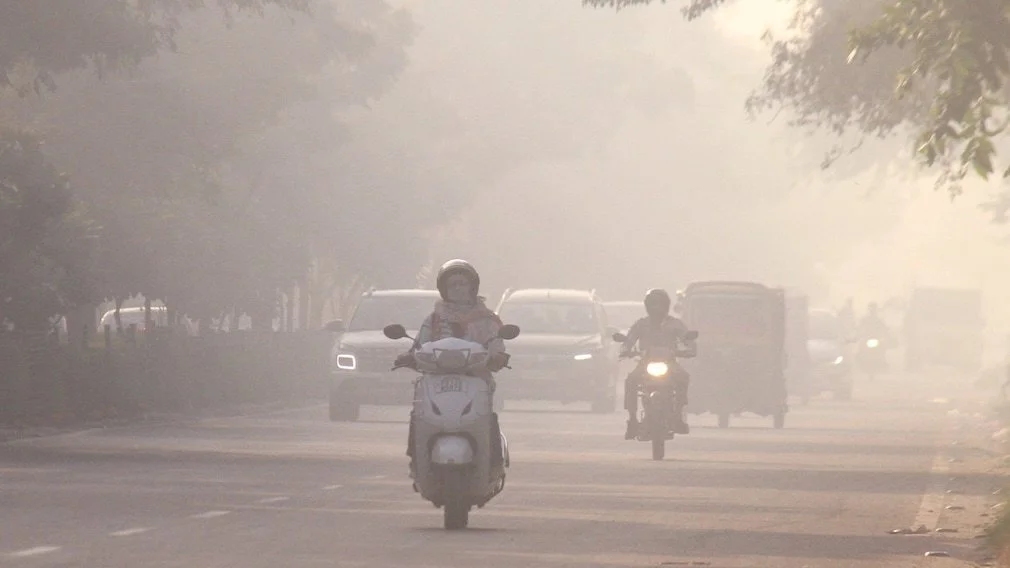
Explained: 350 vs 1,100, CPCB vs IQAir, Who Has Got Delhi's AQI Right
Both CPCB and IQAir follow different methods of calculating air quality index, resulting in different numbers.
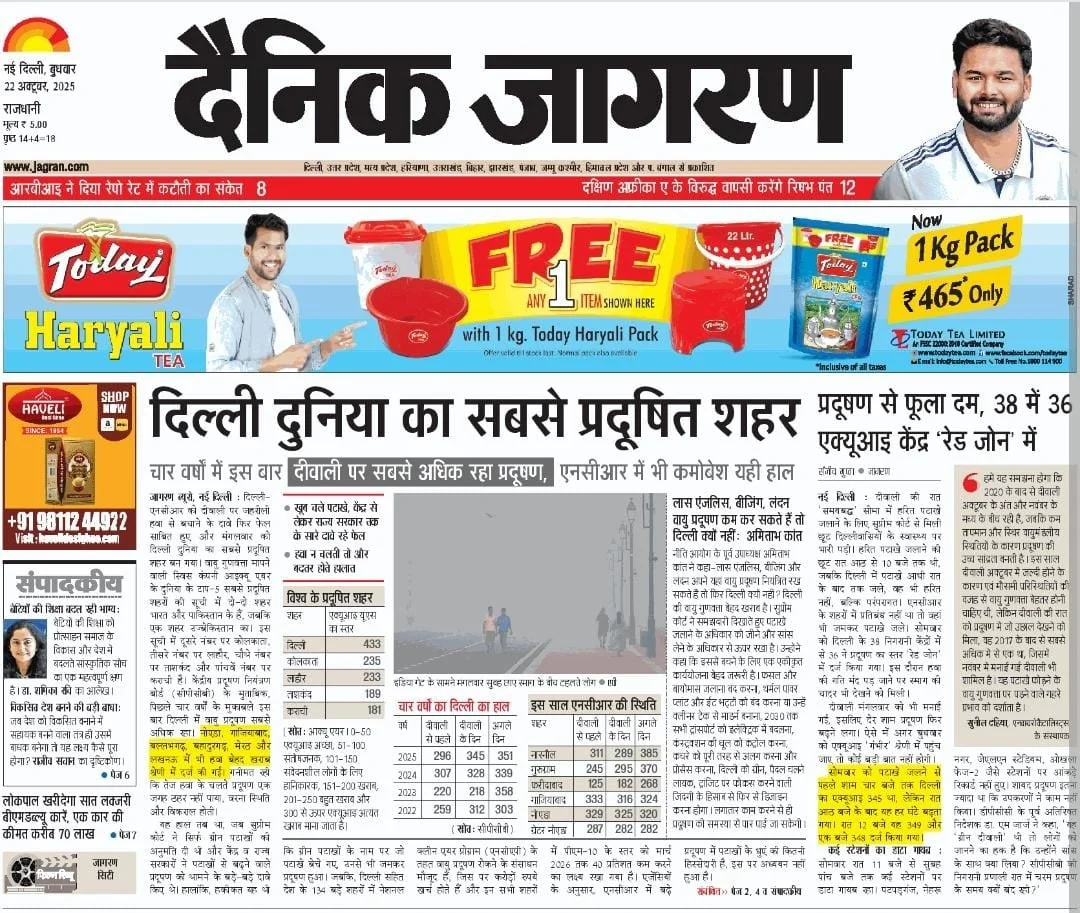
प्रदूषण से फूला दम, 38 में 36 एअरक्वालिटी केंद्र ‘रेड जोन’ में
During Diwali, Delhi’s pollution worsened significantly, with 36 out of 38 air quality monitoring centres falling into the ‘red zone’. Sunil Dahiya mentioned that the smoke from fireworks, combined with vehicle emissions and construction dust, made the air extremely unhealthy, affecting breathing for most residents.
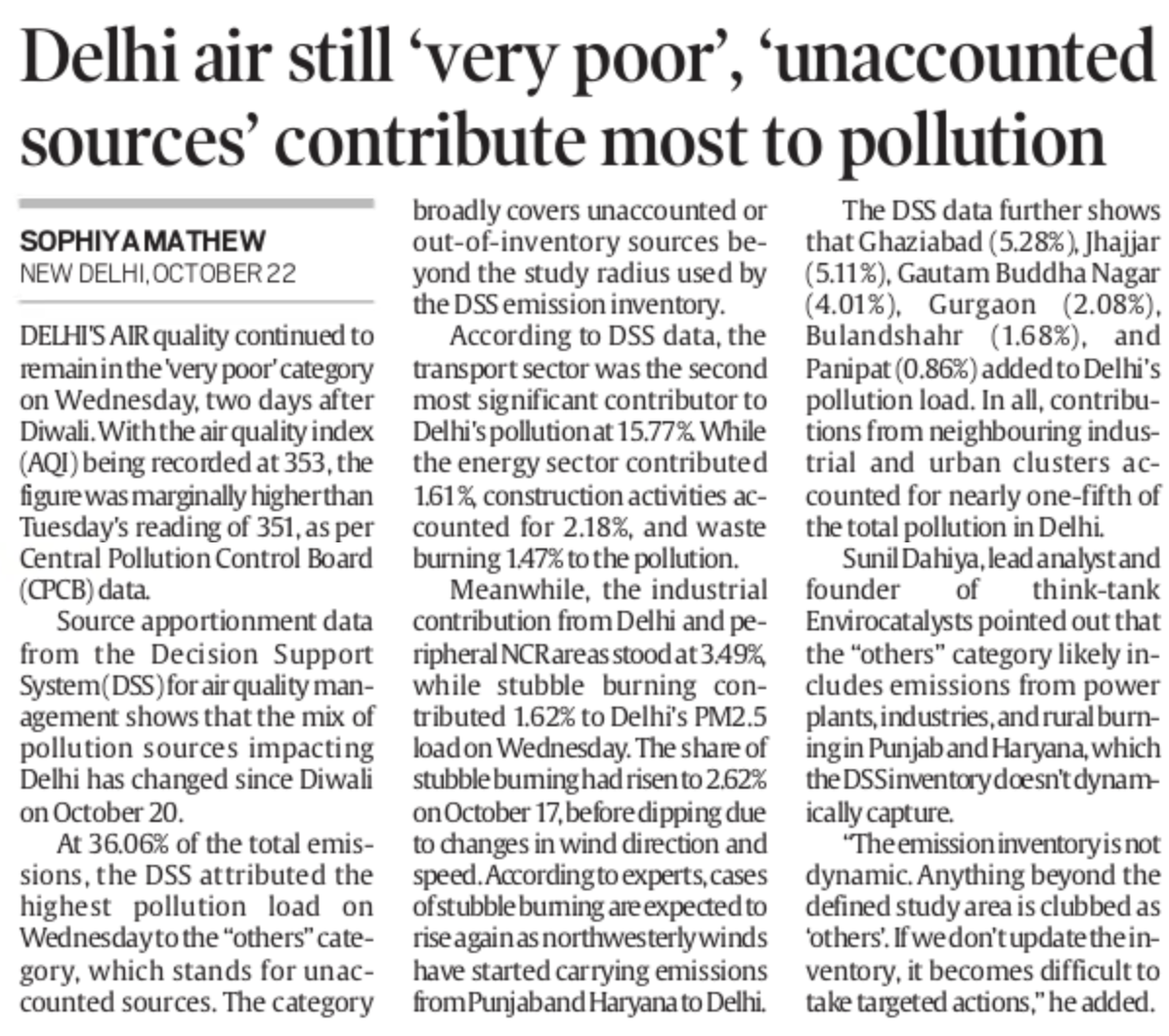
Delhi air still ‘very poor’; ‘unaccounted sources’ contribute most to pollution
Delhi’s air quality stayed in the “very poor” range two days after Diwali, with an AQI of 353. Data from the Decision Support System showed that over 36% of the pollution came from “unaccounted sources”, meaning emissions not clearly identified or tracked. Transport, industry, and waste burning also added to the problem. Sunil Dahiya from Envirocatalysts explained that these unaccounted sources likely include power plants, industries, and crop burning in nearby states, which are not properly captured in pollution records.

Crackers unleashed, toxic haze cloaks Delhi
A reading of 351 qualifies as “very poor” – a category for which NCDC recommends “avoiding physical activity outdoors” and remaining indoors as far as possible

Diwali pollution data 'gap': 30 of 39 AQI monitors went offline for hours when Delhi needed them most
Stations at Jawaharlal Nehru Stadium, Nehru Nagar, Patparganj, and RK Puram each lost about eight hours of readings.

As pollution soared on Diwali night, Delhi’s air monitors fail at key moments
An analysis of CPCB and DPCC data by HT revealed that only nine stations – barely 23% of the city’s monitoring network – recorded continuous data

As pollution peaks across Delhi, many stns go blank
Several air quality monitoring stations in Delhi, including RK Puram, went offline for hours on Diwali night, leaving critical PM2.5 data missing during peak pollution hours. Experts said the data gaps skewed average readings and hindered analysis of pollution sources. Sunil Dahiya, founder of EnviroCatalysts, said missing data hampers understanding of pollution trends and called for improved data transparency and monitoring practices.

A Diwali Of Epic Proportions: Delhi Pollution This Year Was Highest Compared To Last Four Years
Several government-run open-access websites that publish real time monitoring of air quality were unavailable for several hours during peak firecracker time on Diwali day

Pollution up 8x, firecrackers account for 40% of it
Firecracker emissions contributed between 30% and 40% to Delhi’s pollution on Diwali, with PM2.5 levels spiking eightfold due to stagnant wind conditions. Experts said calm weather and poor dispersion worsened air quality overnight, pushing pollution levels 60–67 times above WHO’s safe limit. Data analysis by EnviroCatalysts revealed that PM2.5 levels on Diwali night have consistently surged 200–300% compared to pre-Diwali levels since 2021.

Only 9 Delhi AQI monitors functioned during peak Diwali pollution
The report has revealed that a significant failure occurred as 30 of Delhi's 39 official air quality monitors were offline during the Diwali period, hiding the true scale of the pollution crisis from the public.
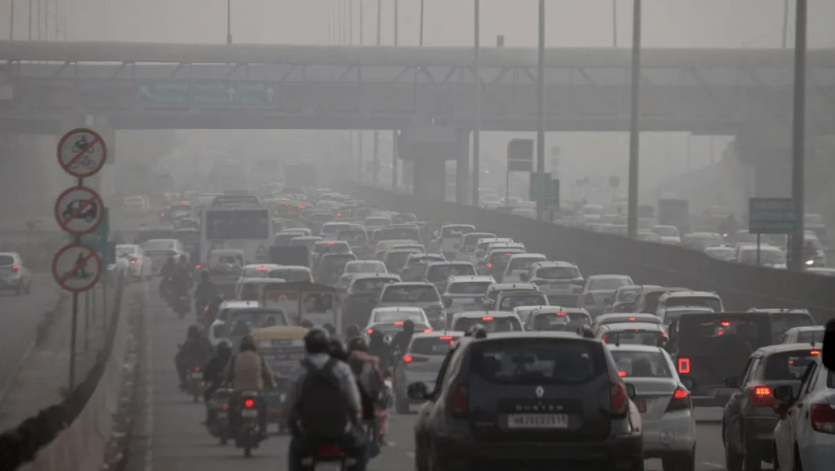
Delhi pollution data from many stations goes missing for 5 hours on Diwali night
Delhi's air monitoring stations missed key pollution data during Diwali's toxic air spike.

Sharp PM2.5 surge after 10pm on Diwali, Sec 51 tops
On Diwali night, Gurgaon’s PM2.5 levels soared to 16 times the national limit as residents continued bursting crackers well past the Supreme Court’s permitted 8–10 pm window. The hourly concentration of PM2.5—a fine particulate pollutant linked to respiratory problems—rose sharply, with Sector 51 recording the highest at 949 micrograms per cubic metre around midnight. Despite restrictions, fireworks continued sporadically till 2 am in several neighbourhoods, including DLF phases, Sector 56, Palam Vihar, and Golf Course Extension. Residents complained that noise and smoke lingered for hours, reducing visibility. Officials said the city’s air quality remained in the ‘severe’ category for several days after Diwali.

What the Severe AQI of Delhi NCR This Week Tells Us About India’s Democracy
If rationality and data take a backseat, the courts hesitate to take reasonable decisions, and a government which must prioritise public health does the opposite, then democracy – which is about accountability to the people and the well-being of all – also suffers.

'Woke Up To Delhi's AQI Touching 447...': Vaani Kapoor Urges People To Celebrate Diwali Without Dimming Air Quality
Vaani Kapoor is currently in Delhi to celebrate Diwali with her family. The actress on Tuesday took to Instagram to share that she woke up to Delhi's AQI touching 447, and she has urged people to celebrate the festival without dimming the air quality. Read on to know more...

Delhi air pollution: How ‘green crackers’ couldn't save the capital from choking
It was a noisy Diwali in Delhi as ‘green’ fireworks burst non-stop across the capital. Now it sits under a thick, choking blanket of smog filled with ultra-fine pollutants. According to data, the average AQI touched the ‘severe’ category, at 451, at 7 am on Tuesday, 1.8x above the national average
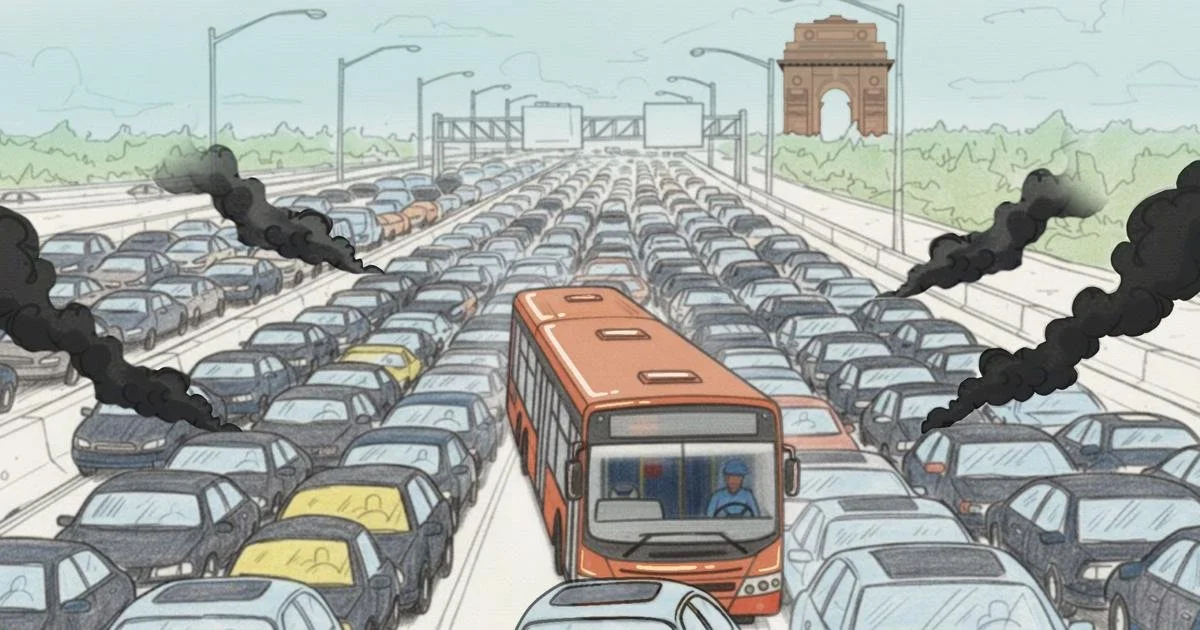
Delhi’s failure to act against the biggest source of its air pollution – vehicles
The transport sector contributes the most to the national capital’s toxic air but is consistently overlooked when it comes to policy discussions and actions.

Haze after lights: Unlike last year, AQI set to plunge post-Diwali day
Gurgaon is expected to witness dense haze following Diwali as weather conditions turn unfavourable for pollutant dispersion. According to the IMD, wind speeds will drop below 8 kmph, and calm conditions may trap smoke, causing AQI levels to deteriorate sharply after the festival.

एक्यूआई @290... दिवाली से पहले प्रदूषण ने घेरा
रोहतक में दिवाली से पहले वायु गुणवत्ता सूचकांक (एक्यूआई) बढ़कर 290 तक पहुंच गया है, जिससे हवा 'बहुत खराब' श्रेणी में आ गई है। प्रशासन ने ग्रेप-2 के नियम लागू करते हुए सड़कों पर पानी का छिड़काव और सफाई अभियान शुरू किया है।
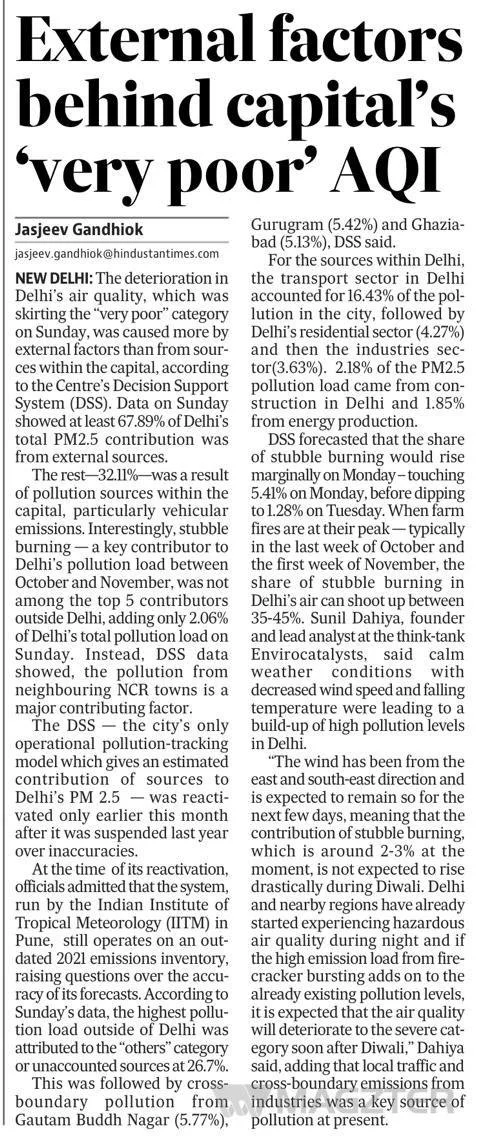
External factors behind capital’s ‘very poor’ AQI
The deterioration in Delhi’s air quality, which was skirting the “very poor” category on Sunday, was caused more by external factors than from sources within the capital, according to the Centre’s Decision Support System (DSS). Data on Sunday showed at least 67.89% of Delhi’s total PM2.5 contribution was from external sources.